Buy orbayu.eu ?
We are moving the project
orbayu.eu .
Are you interested in purchasing the domain
orbayu.eu ?
domain@kv-gmbh.de · 0541-91531010
Buy orbayu.eu ?
What are dendrites and axons?
Dendrites are branch-like structures that extend from the cell body of a neuron and receive signals from other neurons. They play a crucial role in transmitting these signals to the cell body. Axons, on the other hand, are long, slender projections that carry signals away from the cell body to other neurons, muscles, or glands. They are covered by a myelin sheath, which helps to speed up the transmission of signals. Together, dendrites and axons are essential components of the nervous system, allowing for the communication between neurons. **
What are potassium cyanide and axons?
Potassium cyanide is a highly toxic chemical compound that is used in industries such as mining and jewelry for gold extraction and electroplating. It is a white, water-soluble solid that releases hydrogen cyanide gas when it reacts with acids. Axons, on the other hand, are long, slender projections of nerve cells that conduct electrical impulses away from the cell body to other neurons, muscles, or glands. They are essential for the transmission of signals in the nervous system and play a crucial role in coordinating various bodily functions. Axons are covered by a myelin sheath, which helps to speed up the transmission of electrical impulses. **

Similar search terms for Axons
Top-Angebote
Products related to Axons:
-
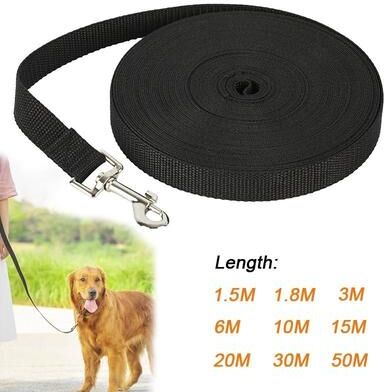
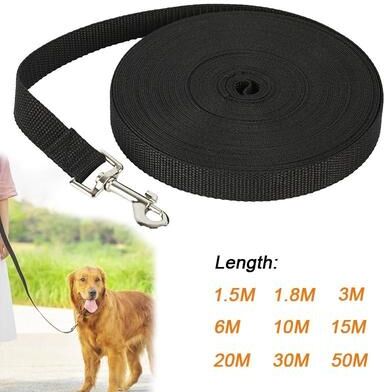
Uplift Essentials Long Nylon Training Lead Heavy Duty Outdoor Exploration & Recall Leash 30mMaster distance training and provide your pet with controlled freedom using our Professional Long Nylon Training Lead. Engineered for versatility and durability, this hightensile leash is the ultimate tool for outdoor hiking, recall practice, and...69,97 $*Shipping: 0,00 $Secure redirect to the provider
-
Uplift Essentials Long Nylon Training Lead Heavy Duty Outdoor Exploration & Recall Leash 20mMaster distance training and provide your pet with controlled freedom using our Professional Long Nylon Training Lead. Engineered for versatility and durability, this hightensile leash is the ultimate tool for outdoor hiking, recall practice, and...64,97 $*Shipping: 0,00 $Secure redirect to the provider
-
Uplift Essentials Long Nylon Training Lead Heavy Duty Outdoor Exploration & Recall Leash 6mMaster distance training and provide your pet with controlled freedom using our Professional Long Nylon Training Lead. Engineered for versatility and durability, this hightensile leash is the ultimate tool for outdoor hiking, recall practice, and...49,97 $*Shipping: 0,00 $Secure redirect to the provider
-
Uplift Essentials Long Nylon Training Lead Heavy Duty Outdoor Exploration & Recall Leash 1.5mMaster distance training and provide your pet with controlled freedom using our Professional Long Nylon Training Lead. Engineered for versatility and durability, this hightensile leash is the ultimate tool for outdoor hiking, recall practice, and...34,97 $*Shipping: 0,00 $Secure redirect to the provider

-
What are fast and slow axons?
Fast axons are nerve fibers that conduct electrical signals quickly, typically at speeds of up to 120 meters per second. These axons are often myelinated, meaning they are insulated by a fatty substance called myelin, which allows for rapid transmission of signals. Slow axons, on the other hand, conduct signals more slowly, typically at speeds of around 1 meter per second. These axons are often unmyelinated and are responsible for carrying less urgent or less time-sensitive signals within the nervous system. **
-
What happens when the insulation around the axons decreases?
When the insulation around the axons decreases, the speed at which electrical signals travel along the axons decreases as well. This can result in slower and less efficient communication between neurons. Additionally, decreased insulation can lead to a higher risk of signal interference and loss of signal strength, which can impair the overall function of the nervous system. In some cases, decreased insulation around axons can also lead to neurological disorders such as multiple sclerosis. **
-
What is the difference between the axons of vertebrates and invertebrates?
The main difference between the axons of vertebrates and invertebrates lies in their myelination. In vertebrates, axons are often myelinated, which means they are surrounded by a fatty substance that speeds up the transmission of electrical signals. In contrast, invertebrate axons are typically unmyelinated, which can result in slower signal transmission. Additionally, vertebrate axons tend to be larger in diameter compared to invertebrate axons, allowing for faster conduction of nerve impulses. **
-
How does the conduction of excitation differ between fast and slow axons?
The conduction of excitation differs between fast and slow axons primarily in terms of speed and efficiency. Fast axons have a larger diameter and are myelinated, allowing for rapid conduction of action potentials. In contrast, slow axons have a smaller diameter and are unmyelinated, resulting in slower conduction of action potentials. Additionally, fast axons have a higher density of voltage-gated sodium channels, enabling faster depolarization and repolarization during action potential generation. Overall, these differences in axon structure and ion channel distribution contribute to the varying conduction speeds between fast and slow axons. **

What are the effects of the destruction of the sheath around the axons in the disease Multiple Sclerosis?
The destruction of the sheath around the axons in Multiple Sclerosis (MS) leads to a disruption in the transmission of nerve signals. This can result in a variety of symptoms, including muscle weakness, numbness, and coordination problems. The loss of the protective sheath also makes the axons more vulnerable to damage, leading to further deterioration of nerve function. Overall, the destruction of the sheath around the axons in MS can lead to a wide range of neurological symptoms and impairments. **
What is western riding apparel?
Western riding apparel refers to the clothing and gear worn by riders who participate in western-style horseback riding. This typically includes a cowboy hat, long-sleeved shirt, jeans, cowboy boots, and a belt with a western-style buckle. Additionally, riders may wear chaps, spurs, and gloves for added protection and functionality. The apparel is designed to be comfortable, durable, and practical for the demands of western riding disciplines such as trail riding, ranch work, and rodeo events. **
Top-Angebote
Products related to Axons:
-
ModernMart Professional Diving Compass Watch Waterproof Navigation Compass For Scuba And Outdoor Exploration Professional Diving Compass Watch Waterproof Navigation Compass For Scuba And Outdoor ExplorationStay confidently on course wherever your adventure takes you. This rugged underwater compass watch is built for divers, hikers, and explorers who demand precision and reliability in every environment. Designed with a luminous dial and dualreading...79,97 $*Shipping: 0,00 $Secure redirect to the provider
-
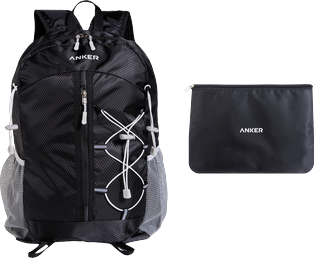
soundcore Adventure Packable Outdoor BackpackYou'll receive a lightweight, water-resistant Outdoor Backpack designed for maximum portability. Crafted with durable honeycomb ripstop fabric, it features multiple compartments and folds effortlessly into its own compact pouch, making it the...39,99 $*Shipping: 0,00 $Secure redirect to the provider
-
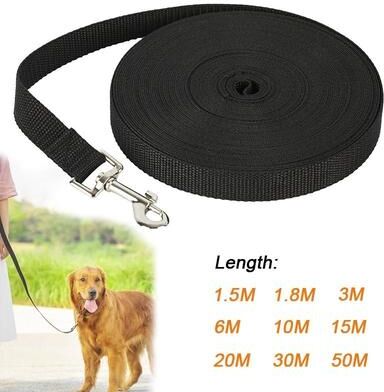
Uplift Essentials Long Nylon Training Lead Heavy Duty Outdoor Exploration & Recall Leash 30mMaster distance training and provide your pet with controlled freedom using our Professional Long Nylon Training Lead. Engineered for versatility and durability, this hightensile leash is the ultimate tool for outdoor hiking, recall practice, and...69,97 $*Shipping: 0,00 $Secure redirect to the provider
-
Uplift Essentials Long Nylon Training Lead Heavy Duty Outdoor Exploration & Recall Leash 20mMaster distance training and provide your pet with controlled freedom using our Professional Long Nylon Training Lead. Engineered for versatility and durability, this hightensile leash is the ultimate tool for outdoor hiking, recall practice, and...64,97 $*Shipping: 0,00 $Secure redirect to the provider
-
What are dendrites and axons?
Dendrites are branch-like structures that extend from the cell body of a neuron and receive signals from other neurons. They play a crucial role in transmitting these signals to the cell body. Axons, on the other hand, are long, slender projections that carry signals away from the cell body to other neurons, muscles, or glands. They are covered by a myelin sheath, which helps to speed up the transmission of signals. Together, dendrites and axons are essential components of the nervous system, allowing for the communication between neurons. **
-
What are potassium cyanide and axons?
Potassium cyanide is a highly toxic chemical compound that is used in industries such as mining and jewelry for gold extraction and electroplating. It is a white, water-soluble solid that releases hydrogen cyanide gas when it reacts with acids. Axons, on the other hand, are long, slender projections of nerve cells that conduct electrical impulses away from the cell body to other neurons, muscles, or glands. They are essential for the transmission of signals in the nervous system and play a crucial role in coordinating various bodily functions. Axons are covered by a myelin sheath, which helps to speed up the transmission of electrical impulses. **
-
What are fast and slow axons?
Fast axons are nerve fibers that conduct electrical signals quickly, typically at speeds of up to 120 meters per second. These axons are often myelinated, meaning they are insulated by a fatty substance called myelin, which allows for rapid transmission of signals. Slow axons, on the other hand, conduct signals more slowly, typically at speeds of around 1 meter per second. These axons are often unmyelinated and are responsible for carrying less urgent or less time-sensitive signals within the nervous system. **
-
What happens when the insulation around the axons decreases?
When the insulation around the axons decreases, the speed at which electrical signals travel along the axons decreases as well. This can result in slower and less efficient communication between neurons. Additionally, decreased insulation can lead to a higher risk of signal interference and loss of signal strength, which can impair the overall function of the nervous system. In some cases, decreased insulation around axons can also lead to neurological disorders such as multiple sclerosis. **
Similar search terms for Axons
-
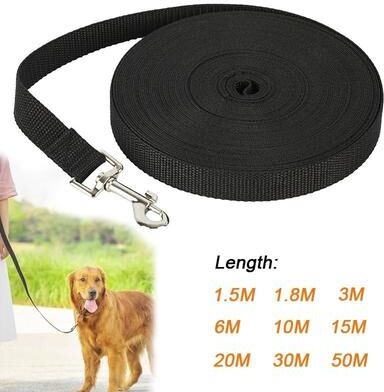
Uplift Essentials Long Nylon Training Lead Heavy Duty Outdoor Exploration & Recall Leash 6mMaster distance training and provide your pet with controlled freedom using our Professional Long Nylon Training Lead. Engineered for versatility and durability, this hightensile leash is the ultimate tool for outdoor hiking, recall practice, and...49,97 $*Shipping: 0,00 $Secure redirect to the provider
-
Uplift Essentials Long Nylon Training Lead Heavy Duty Outdoor Exploration & Recall Leash 1.5mMaster distance training and provide your pet with controlled freedom using our Professional Long Nylon Training Lead. Engineered for versatility and durability, this hightensile leash is the ultimate tool for outdoor hiking, recall practice, and...34,97 $*Shipping: 0,00 $Secure redirect to the provider
-
Uplift Essentials Long Nylon Training Lead Heavy Duty Outdoor Exploration & Recall Leash 3mMaster distance training and provide your pet with controlled freedom using our Professional Long Nylon Training Lead. Engineered for versatility and durability, this hightensile leash is the ultimate tool for outdoor hiking, recall practice, and...44,97 $*Shipping: 0,00 $Secure redirect to the provider
-
Uplift Essentials Long Nylon Training Lead Heavy Duty Outdoor Exploration & Recall Leash 10mMaster distance training and provide your pet with controlled freedom using our Professional Long Nylon Training Lead. Engineered for versatility and durability, this hightensile leash is the ultimate tool for outdoor hiking, recall practice, and...54,97 $*Shipping: 0,00 $Secure redirect to the provider
-
What is the difference between the axons of vertebrates and invertebrates?
The main difference between the axons of vertebrates and invertebrates lies in their myelination. In vertebrates, axons are often myelinated, which means they are surrounded by a fatty substance that speeds up the transmission of electrical signals. In contrast, invertebrate axons are typically unmyelinated, which can result in slower signal transmission. Additionally, vertebrate axons tend to be larger in diameter compared to invertebrate axons, allowing for faster conduction of nerve impulses. **
-
How does the conduction of excitation differ between fast and slow axons?
The conduction of excitation differs between fast and slow axons primarily in terms of speed and efficiency. Fast axons have a larger diameter and are myelinated, allowing for rapid conduction of action potentials. In contrast, slow axons have a smaller diameter and are unmyelinated, resulting in slower conduction of action potentials. Additionally, fast axons have a higher density of voltage-gated sodium channels, enabling faster depolarization and repolarization during action potential generation. Overall, these differences in axon structure and ion channel distribution contribute to the varying conduction speeds between fast and slow axons. **
-
What are the effects of the destruction of the sheath around the axons in the disease Multiple Sclerosis?
The destruction of the sheath around the axons in Multiple Sclerosis (MS) leads to a disruption in the transmission of nerve signals. This can result in a variety of symptoms, including muscle weakness, numbness, and coordination problems. The loss of the protective sheath also makes the axons more vulnerable to damage, leading to further deterioration of nerve function. Overall, the destruction of the sheath around the axons in MS can lead to a wide range of neurological symptoms and impairments. **
-
What is western riding apparel?
Western riding apparel refers to the clothing and gear worn by riders who participate in western-style horseback riding. This typically includes a cowboy hat, long-sleeved shirt, jeans, cowboy boots, and a belt with a western-style buckle. Additionally, riders may wear chaps, spurs, and gloves for added protection and functionality. The apparel is designed to be comfortable, durable, and practical for the demands of western riding disciplines such as trail riding, ranch work, and rodeo events. **
* All prices are inclusive of VAT and, if applicable, plus shipping costs. The offer information is based on the details provided by the respective shop and is updated through automated processes. Real-time updates do not occur, so deviations can occur in individual cases. ** Note: Parts of this content were created by AI.