Buy orbayu.eu ?
We are moving the project
orbayu.eu .
Are you interested in purchasing the domain
orbayu.eu ?
domain@kv-gmbh.de · 0541-91531010
Buy orbayu.eu ?
How do you calculate the gear sequence?
To calculate the gear sequence, you need to determine the gear ratio for each gear in the sequence. The gear ratio is calculated by dividing the number of teeth on the driven gear by the number of teeth on the driving gear. Once you have the gear ratios for each gear in the sequence, you can multiply them together to find the overall gear ratio for the entire sequence. This overall gear ratio will tell you how many revolutions the final driven gear will make for each revolution of the initial driving gear. **
How do you calculate the gear ratio?
To calculate the gear ratio, you need to divide the number of teeth on the driven gear by the number of teeth on the driving gear. For example, if the driving gear has 20 teeth and the driven gear has 40 teeth, the gear ratio would be 40/20, which simplifies to 2. This means that for every revolution of the driving gear, the driven gear will rotate 2 times. This calculation is important for understanding the relationship between the input and output speeds and torques in a gear system. **

Similar search terms for Calculate
Top-Angebote
Products related to Calculate:
-
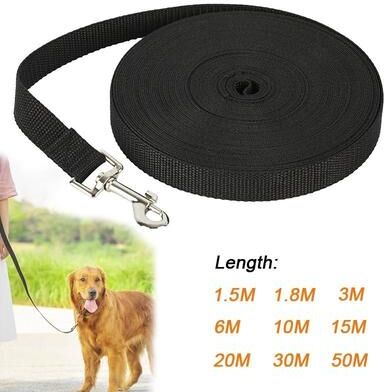
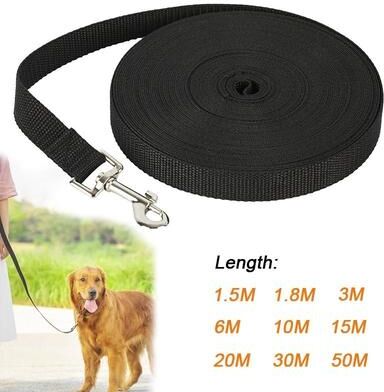
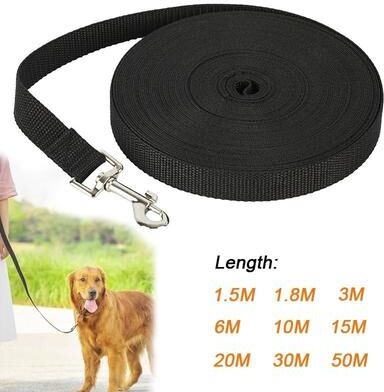
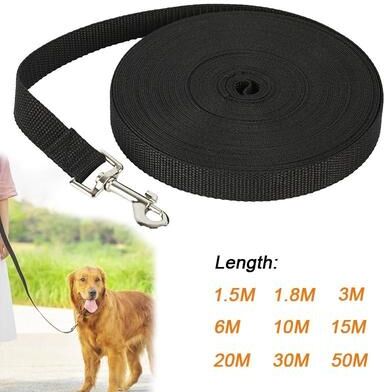
Uplift Essentials Long Nylon Training Lead Heavy Duty Outdoor Exploration & Recall Leash 30mMaster distance training and provide your pet with controlled freedom using our Professional Long Nylon Training Lead. Engineered for versatility and durability, this hightensile leash is the ultimate tool for outdoor hiking, recall practice, and...69,97 $*Shipping: 0,00 $Secure redirect to the provider
-
Uplift Essentials Long Nylon Training Lead Heavy Duty Outdoor Exploration & Recall Leash 20mMaster distance training and provide your pet with controlled freedom using our Professional Long Nylon Training Lead. Engineered for versatility and durability, this hightensile leash is the ultimate tool for outdoor hiking, recall practice, and...64,97 $*Shipping: 0,00 $Secure redirect to the provider
-
Uplift Essentials Long Nylon Training Lead Heavy Duty Outdoor Exploration & Recall Leash 6mMaster distance training and provide your pet with controlled freedom using our Professional Long Nylon Training Lead. Engineered for versatility and durability, this hightensile leash is the ultimate tool for outdoor hiking, recall practice, and...49,97 $*Shipping: 0,00 $Secure redirect to the provider
-
Uplift Essentials Long Nylon Training Lead Heavy Duty Outdoor Exploration & Recall Leash 1.5mMaster distance training and provide your pet with controlled freedom using our Professional Long Nylon Training Lead. Engineered for versatility and durability, this hightensile leash is the ultimate tool for outdoor hiking, recall practice, and...34,97 $*Shipping: 0,00 $Secure redirect to the provider

-
How do you calculate the size of a gear?
The size of a gear is typically calculated based on the pitch diameter, which is the diameter of the gear measured at the point where the teeth are the same size as the space between them. The pitch diameter is calculated using the number of teeth on the gear and the diametral pitch (for inch units) or module (for metric units). The formula for calculating the pitch diameter is Pitch Diameter = Number of Teeth / Diametral Pitch (or Module for metric units). This calculation is important for determining the proper meshing of gears and ensuring the correct transmission of power between them. **
-
How do you calculate the movement of a gear?
To calculate the movement of a gear, you can use the formula: Speed = (2 * π * r * N) / 60, where r is the radius of the gear and N is the number of teeth on the gear. This formula gives you the linear speed of the gear in meters per second. You can also calculate the rotational speed of the gear using the formula: Rotational speed = (60 * V) / (2 * π * r), where V is the linear speed of the gear. These formulas help you determine the movement and speed of a gear in a mechanical system. **
-
How do you calculate the radial force of a gear?
To calculate the radial force of a gear, you can use the formula Fr = T / r, where Fr is the radial force, T is the tangential force, and r is the pitch radius of the gear. The tangential force can be calculated using the formula T = F * r, where F is the force applied to the gear and r is the pitch radius. Once you have the tangential force, you can use it in the first formula to calculate the radial force. This radial force is important for determining the load capacity and performance of the gear in a mechanical system. **
-
How do you calculate the self-locking of a worm gear?
The self-locking of a worm gear can be calculated by determining the lead angle of the worm and the coefficient of friction between the worm and the gear. The lead angle is the angle formed between the tangent to the worm thread and a plane perpendicular to the axis of the worm. If the lead angle is less than the friction angle (arctan coefficient of friction), then the worm gear is self-locking. This means that the gear cannot drive the worm, preventing back driving and providing mechanical advantage in applications such as lifting or holding loads. **

How can one calculate the speed with a different gear ratio?
To calculate the speed with a different gear ratio, you can use the formula: Speed = (RPM * Tire Diameter) / (Gear Ratio * 336). First, determine the RPM of the engine and the tire diameter. Then, input the gear ratio into the formula and solve for the speed. This formula takes into account the engine's RPM, tire diameter, and gear ratio to calculate the speed of the vehicle with the different gear ratio. **
What is western riding apparel?
Western riding apparel refers to the clothing and gear worn by riders who participate in western-style horseback riding. This typically includes a cowboy hat, long-sleeved shirt, jeans, cowboy boots, and a belt with a western-style buckle. Additionally, riders may wear chaps, spurs, and gloves for added protection and functionality. The apparel is designed to be comfortable, durable, and practical for the demands of western riding disciplines such as trail riding, ranch work, and rodeo events. **
Top-Angebote
Products related to Calculate:
-
ModernMart Professional Diving Compass Watch Waterproof Navigation Compass For Scuba And Outdoor Exploration Professional Diving Compass Watch Waterproof Navigation Compass For Scuba And Outdoor ExplorationStay confidently on course wherever your adventure takes you. This rugged underwater compass watch is built for divers, hikers, and explorers who demand precision and reliability in every environment. Designed with a luminous dial and dualreading...79,97 $*Shipping: 0,00 $Secure redirect to the provider
-
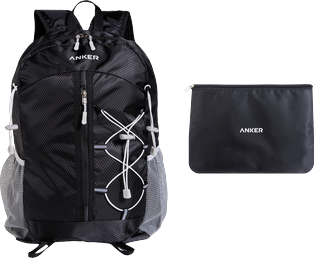
soundcore Adventure Packable Outdoor BackpackYou'll receive a lightweight, water-resistant Outdoor Backpack designed for maximum portability. Crafted with durable honeycomb ripstop fabric, it features multiple compartments and folds effortlessly into its own compact pouch, making it the...39,99 $*Shipping: 0,00 $Secure redirect to the provider
-
Uplift Essentials Long Nylon Training Lead Heavy Duty Outdoor Exploration & Recall Leash 30mMaster distance training and provide your pet with controlled freedom using our Professional Long Nylon Training Lead. Engineered for versatility and durability, this hightensile leash is the ultimate tool for outdoor hiking, recall practice, and...69,97 $*Shipping: 0,00 $Secure redirect to the provider
-
Uplift Essentials Long Nylon Training Lead Heavy Duty Outdoor Exploration & Recall Leash 20mMaster distance training and provide your pet with controlled freedom using our Professional Long Nylon Training Lead. Engineered for versatility and durability, this hightensile leash is the ultimate tool for outdoor hiking, recall practice, and...64,97 $*Shipping: 0,00 $Secure redirect to the provider
-
How do you calculate the gear sequence?
To calculate the gear sequence, you need to determine the gear ratio for each gear in the sequence. The gear ratio is calculated by dividing the number of teeth on the driven gear by the number of teeth on the driving gear. Once you have the gear ratios for each gear in the sequence, you can multiply them together to find the overall gear ratio for the entire sequence. This overall gear ratio will tell you how many revolutions the final driven gear will make for each revolution of the initial driving gear. **
-
How do you calculate the gear ratio?
To calculate the gear ratio, you need to divide the number of teeth on the driven gear by the number of teeth on the driving gear. For example, if the driving gear has 20 teeth and the driven gear has 40 teeth, the gear ratio would be 40/20, which simplifies to 2. This means that for every revolution of the driving gear, the driven gear will rotate 2 times. This calculation is important for understanding the relationship between the input and output speeds and torques in a gear system. **
-
How do you calculate the size of a gear?
The size of a gear is typically calculated based on the pitch diameter, which is the diameter of the gear measured at the point where the teeth are the same size as the space between them. The pitch diameter is calculated using the number of teeth on the gear and the diametral pitch (for inch units) or module (for metric units). The formula for calculating the pitch diameter is Pitch Diameter = Number of Teeth / Diametral Pitch (or Module for metric units). This calculation is important for determining the proper meshing of gears and ensuring the correct transmission of power between them. **
-
How do you calculate the movement of a gear?
To calculate the movement of a gear, you can use the formula: Speed = (2 * π * r * N) / 60, where r is the radius of the gear and N is the number of teeth on the gear. This formula gives you the linear speed of the gear in meters per second. You can also calculate the rotational speed of the gear using the formula: Rotational speed = (60 * V) / (2 * π * r), where V is the linear speed of the gear. These formulas help you determine the movement and speed of a gear in a mechanical system. **
Similar search terms for Calculate
-
Uplift Essentials Long Nylon Training Lead Heavy Duty Outdoor Exploration & Recall Leash 6mMaster distance training and provide your pet with controlled freedom using our Professional Long Nylon Training Lead. Engineered for versatility and durability, this hightensile leash is the ultimate tool for outdoor hiking, recall practice, and...49,97 $*Shipping: 0,00 $Secure redirect to the provider
-
Uplift Essentials Long Nylon Training Lead Heavy Duty Outdoor Exploration & Recall Leash 1.5mMaster distance training and provide your pet with controlled freedom using our Professional Long Nylon Training Lead. Engineered for versatility and durability, this hightensile leash is the ultimate tool for outdoor hiking, recall practice, and...34,97 $*Shipping: 0,00 $Secure redirect to the provider
-
Uplift Essentials Long Nylon Training Lead Heavy Duty Outdoor Exploration & Recall Leash 3mMaster distance training and provide your pet with controlled freedom using our Professional Long Nylon Training Lead. Engineered for versatility and durability, this hightensile leash is the ultimate tool for outdoor hiking, recall practice, and...44,97 $*Shipping: 0,00 $Secure redirect to the provider
-
Uplift Essentials Long Nylon Training Lead Heavy Duty Outdoor Exploration & Recall Leash 10mMaster distance training and provide your pet with controlled freedom using our Professional Long Nylon Training Lead. Engineered for versatility and durability, this hightensile leash is the ultimate tool for outdoor hiking, recall practice, and...54,97 $*Shipping: 0,00 $Secure redirect to the provider
-
How do you calculate the radial force of a gear?
To calculate the radial force of a gear, you can use the formula Fr = T / r, where Fr is the radial force, T is the tangential force, and r is the pitch radius of the gear. The tangential force can be calculated using the formula T = F * r, where F is the force applied to the gear and r is the pitch radius. Once you have the tangential force, you can use it in the first formula to calculate the radial force. This radial force is important for determining the load capacity and performance of the gear in a mechanical system. **
-
How do you calculate the self-locking of a worm gear?
The self-locking of a worm gear can be calculated by determining the lead angle of the worm and the coefficient of friction between the worm and the gear. The lead angle is the angle formed between the tangent to the worm thread and a plane perpendicular to the axis of the worm. If the lead angle is less than the friction angle (arctan coefficient of friction), then the worm gear is self-locking. This means that the gear cannot drive the worm, preventing back driving and providing mechanical advantage in applications such as lifting or holding loads. **
-
How can one calculate the speed with a different gear ratio?
To calculate the speed with a different gear ratio, you can use the formula: Speed = (RPM * Tire Diameter) / (Gear Ratio * 336). First, determine the RPM of the engine and the tire diameter. Then, input the gear ratio into the formula and solve for the speed. This formula takes into account the engine's RPM, tire diameter, and gear ratio to calculate the speed of the vehicle with the different gear ratio. **
-
What is western riding apparel?
Western riding apparel refers to the clothing and gear worn by riders who participate in western-style horseback riding. This typically includes a cowboy hat, long-sleeved shirt, jeans, cowboy boots, and a belt with a western-style buckle. Additionally, riders may wear chaps, spurs, and gloves for added protection and functionality. The apparel is designed to be comfortable, durable, and practical for the demands of western riding disciplines such as trail riding, ranch work, and rodeo events. **
* All prices are inclusive of VAT and, if applicable, plus shipping costs. The offer information is based on the details provided by the respective shop and is updated through automated processes. Real-time updates do not occur, so deviations can occur in individual cases. ** Note: Parts of this content were created by AI.